Culver City Neighborhoods Guide: Find Your Best Pocket
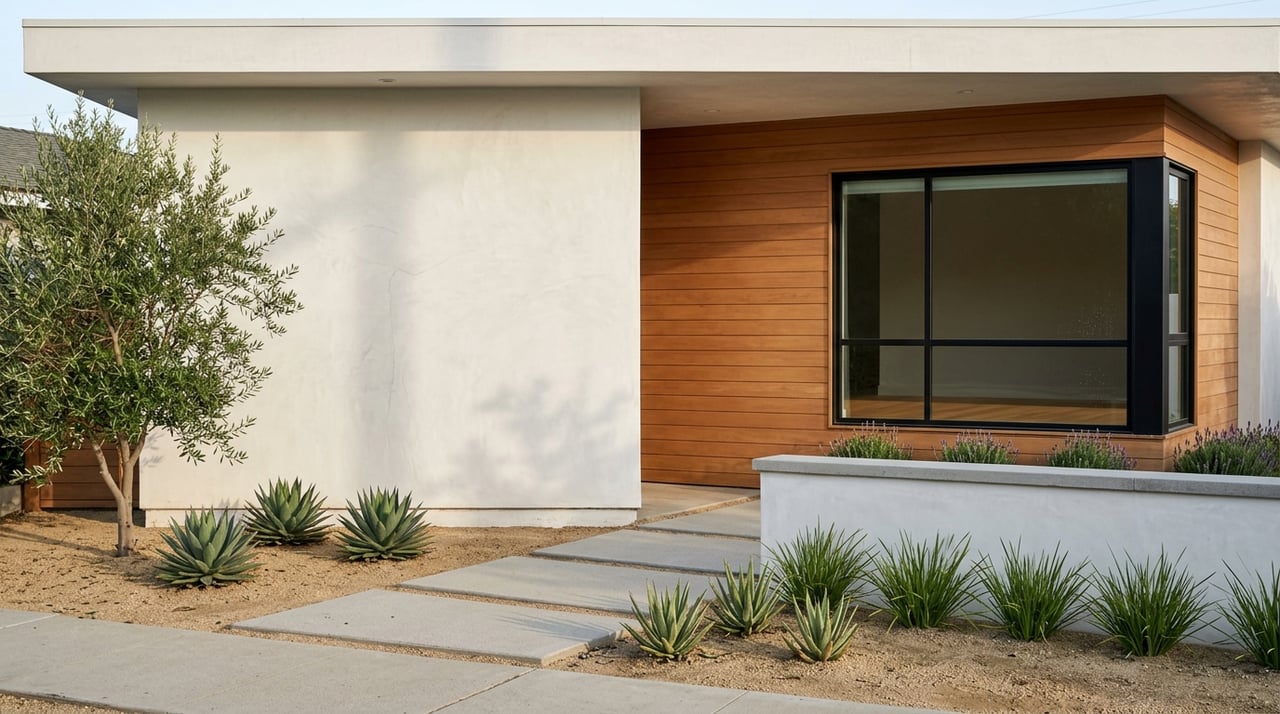
Trying to choose the right part of Culver City can feel harder than choosing the right home. In a city that is only about five square miles, a few blocks can change your daily routine, housing options, and overall pace. If you are weighing walkability, park access, commute patterns, or the feel of detached homes versus condos and townhomes, the right pocket matters. Here’s how to think about Culver City’s neighborhood pockets like a local buyer. Let’s dive in.
Culver City has an official neighborhood map, but even the city notes that it is for representational purposes only. In real life, buyers often sort the city into a few practical pockets based on feel, housing type, and access.
That matters because Culver City is compact, with roughly 40,779 residents in about five square miles. When a city is this small, your location can quickly shape how often you walk to dinner, drive to a park, catch transit, or search for a certain home style.
For most buyers, Culver City is easiest to understand in four broad groupings:
These shorthand pockets are not legal boundaries. They are simply useful ways to narrow your search based on how you want to live.
If you want to be close to restaurants, events, studios, and transit, Downtown is the clearest starting point. This is the most walkable, mixed-use part of Culver City, with the certified farmers market on Main Street, public parking structures with one-hour free parking, outdoor dining corridors, and The Culver Steps adding a public plaza, retail, restaurants, and office space.
Sony Pictures Studios on West Washington Boulevard also adds to the area’s day-to-day energy. For buyers who want to be near the studio corridor, Downtown and Washington Culver often provide the shortest path to that lifestyle.
The tradeoff is usually housing type. Based on the city’s downtown land-use profile and downtown-oriented projects, this is the pocket where attached housing and mixed-use living are most likely to dominate, while detached-home options tend to be less central.
If you picture walking more and driving less, that may be a plus. If you want a larger-lot single-family home, you may want to look beyond the core.
Downtown also stands out for transit access. The city runs seven regular bus routes plus a BRT route, and Culver City Station on the Metro E Line adds another layer for buyers who want non-car options.
For some buyers, that access is just as important as the home itself. It can shape your commute, weekends, and long-term flexibility.
If Downtown feels a little too active, the central residential core often strikes a better balance. Carlson Park, Park East, and Park West tend to read as quieter and more residential while still keeping you close to central Culver City amenities.
This part of the city is closely tied to neighborhood parks and established streets. Carlson Park is a 2.66-acre passive park at Braddock and Motor, and the city’s historic preservation program identifies a Braddock Drive historic district nearby.
This pocket is a strong fit if you want a more traditional neighborhood feel without going far from the center of town. The likely housing story here is older single-family streets, smaller-scale homes, and a calmer daily rhythm than Downtown.
You may still be close to the action, but you do not have to live in the middle of it. That difference can matter if you want studio access without the busiest walk-first setting.
This area also benefits from access to Veterans Memorial Park and Culver City Park. For buyers who care more about recreation and open space than retail at the front door, this central pocket can be especially appealing.
Culver City oversees 13 parks and related facilities, but access varies by pocket. In the central core, that park network becomes part of the neighborhood experience.
If views, elevation, and a more detached atmosphere are high on your list, Culver Crest and Blair Hills stand apart. The city describes these as its hillside areas, which gives them a different feel from the flatter parts of Culver City.
Blair Hills is specifically noted as one of the places where Culver City is not relatively flat. That topography shapes both the look of the neighborhood and the pace of daily life.
This is the clearest pocket for buyers who want a single-family neighborhood with a more removed feel. Blair Hills is near Blair Hills Park, Stoneview Nature Center, and the Baldwin Hills Scenic Overlook, which adds a different rhythm than the more urban pockets.
If you like the idea of being in Culver City but not feeling surrounded by the city at every turn, this pocket deserves a close look. It can feel more tucked away, even though you are still connected to the broader Westside.
Being on the hillside is not just a visual difference. The city’s Culver Crest hillside study was driven by slope issues and concerns about larger homes, which shows that terrain is part of how this area functions.
For buyers, that means block-by-block feel can shift more here than in flatter areas. If this pocket interests you, it is worth comparing several streets rather than assuming the entire area feels the same.
West of Sepulveda, the housing story changes again. This is one of the clearest parts of Culver City for buyers comparing condos, townhomes, and more suburban-style attached homes.
The city’s historical context study notes that the first condominium complex, Studio Village Townhouses, was built in 1965 on the west side of Sepulveda next to Ballona Creek. It also notes that Fox Hills saw larger, denser townhome and condominium development in the 1960s and 1970s.
Sunkist Park adds another layer to the west side. A city history feature says it was built as 602 two- and three-bedroom homes with five floor plans, making it a classic postwar tract-home pocket.
So even within the west side, you are not looking at one single housing type. You are comparing planned postwar homes, townhomes, condos, and apartment-adjacent settings depending on the exact pocket.
If your search starts with low-maintenance living, this side of Culver City may give you the clearest set of options. Fox Hills Park is a 10-acre neighborhood park, and city planning work in Fox Hills and Hayden Tract is aimed at more walkable, mixed-use neighborhoods with improved transit access.
That makes the west side especially relevant if you want a home that balances neighborhood amenities with more flexible housing choices.
Parks can shift your decision just as much as housing type. Culver City Park is 41.55 acres, Veterans Memorial Park is 12.9 acres, and smaller neighborhood parks like Carlson Park and Blair Hills Park create more localized recreation access.
On the west side, Culver West Alexander Park is described in city materials as a 3-acre site with soccer and baseball fields, a basketball court, a playground, and picnic areas. Fox Hills Park adds another 10-acre neighborhood park option.
If park access matters more than retail access, the central core, Blair Hills area, and west-side pockets may rise higher on your list than Downtown. That does not make them better overall. It simply means they may fit your priorities better.
Here is a simple way to narrow the search:
Before you choose a pocket, try touring with your real routine in mind. Drive or walk the area at the times you would actually use it, whether that means morning commute hours, weekday evenings, or weekends.
Pay attention to what you would reach most often. That could be the Metro E Line, a favorite park, a bike route, dinner spots, or simply the kind of street pattern that feels right to you.
The Ballona Creek Bike Path is another access layer worth considering, especially for active buyers. It runs from Syd Kronenthal Park to the Pacific Ocean, adding another non-car option that can make some pockets more attractive than they first appear.
Choosing the right Culver City neighborhood pocket is really about matching your home search to your day-to-day life. If you want help comparing street-by-street tradeoffs, housing patterns, and the feel of different Culver City pockets, reach out to Amy Um for a complimentary consultation.
Amy & Augustine bring representation with unparalleled strength. They share a personal pledge to treat every person who walks through the door as a top priority, completing each transaction with integrity and professionalism.
Amy Um | CA DRE# 01961595
Estates Director | REALTOR®
(310) 804-5553
[email protected]
Augustine Um | CA DRE# 02146399
Estates Director | CPM© | CAPS© | NPCC | CCRM | REALTOR®
(213) 400-1111
Address
1010 Montana Ave.
Santa Monica, CA 90403