Thinking about selling your Culver City home and wondering how to get every dollar it deserves? You are not alone. In a high-visibility Westside market like Culver City, small details in presentation and preparation can be the difference between a swift, strong offer and weeks of price reductions. In this guide, you will get a clear, week-by-week plan to prep, price, and launch your home so you attract serious buyers and keep leverage through closing. Let’s dive in.
Why presentation matters in Culver City
Culver City buyers often compare multiple homes in the same weekend. Turnkey condition, clean design, and complete disclosures help your listing stand out. National research shows that professional staging commonly reduces time on market, and many agents observed offers 1 to 10 percent higher for staged homes. You can see these trends summarized in the National Association of Realtors’ latest staging report, which highlights living rooms, primary bedrooms, and kitchens as top priorities for staging. Review the NAR staging insights.
Lifestyle also drives demand here. Walkable dining and events, convenient Westside access, and community resources appeal to a range of buyers, including families who look to Culver City Unified School District for programming information. To speak to that audience without over-promising, highlight neutral, factual details. You can reference district context from the Culver City Education Foundation and neighborhood planning details from Culver City Planning & Development.
Quick market snapshot
Pricing and speed vary by neighborhood and property type. Single-family homes often trade from roughly the low $1 millions into the $2 millions depending on location, lot, and condition, while many condos trade lower. Medians shift by source and month, and different trackers use different methods, so focus on a tight, comp-driven analysis for your specific pocket rather than a citywide average.
The takeaway for you is simple. Present a move-in-ready experience, support it with great media and complete disclosures, and price precisely to the most relevant comp set. That approach shortens days on market and helps protect your final price.
Your 6 to 8 week prep roadmap
Use this sequence to reduce surprises and launch with confidence.
Weeks 8 to 6: Strategy and budget
- Meet with your agent for a comparative market analysis using the last 30 to 90 days of neighborhood comps.
- Decide your budget for prep. Start with high-visibility wins like paint, landscaping, and deep cleaning. Expand to targeted refreshes only if local comps support them.
Weeks 6 to 4: Inspections and permits
- Order a pre-listing home inspection. Many sellers who do this resolve issues before buyers see them, which often saves time and negotiation stress. Recent NAR research underscores the value of strong presentation packages. See the NAR staging overview.
- Pull permit history and confirm the status of any additions or conversions with Culver City Planning & Development. If you find unpermitted work, decide whether to legalize or disclose.
Weeks 5 to 3: Safety, systems, and cosmetics
- Prioritize safety and function first: roof leaks, active plumbing issues, electrical hazards, HVAC, water intrusion, and smoke and carbon monoxide detectors. California sets device requirements tied to property transfers. You can review a relevant state reference here: California smoke/CO device statute reference.
- Tackle high-impact, lower-cost updates: neutral interior paint, deep cleaning, minor landscaping, new bulbs and updated light fixtures, hardware swaps, and power washing. Data-backed remodeling roundups consistently rank curb appeal and simple refreshes among the strongest value plays. Check the cost vs. value overview.
Weeks 3 to 2: Staging and media
- Stage the living room, primary bedroom, and kitchen at a minimum. You can use targeted accessories in an occupied home or professional staging in a vacant one. NAR’s report notes these rooms influence buyers most. Read NAR’s staging findings.
- Book professional photography, an interactive floor plan, and a 3D tour. Listings with floor plans and 3D experiences earn materially higher engagement on major portals. Include a short vertical walk-through video for social and agent outreach.
Week 1 to launch: Disclosures and timing
- Assemble a transparent disclosure packet: Transfer Disclosure Statement, Natural Hazard Disclosure, permit history, inspection reports, and receipts for completed work. California Civil Code requires delivery of the TDS, and late delivery can give a buyer a right to cancel. Review the statute summary here: CA Civil Code TDS reference.
- Choose your launch day and open house plan. National portal analyses often favor a Thursday list date to capture weekend traffic, though local timing matters. See a quick timing explainer.
What to fix vs. what to skip
Focus your budget where buyers notice first and appraisers care most.
- Fix safety and function first. Resolve leaks, electrical hazards, and HVAC issues to remove easy negotiation leverage. For a plain-English overview of seller responsibilities in California, review Nolo’s guide to disclosures.
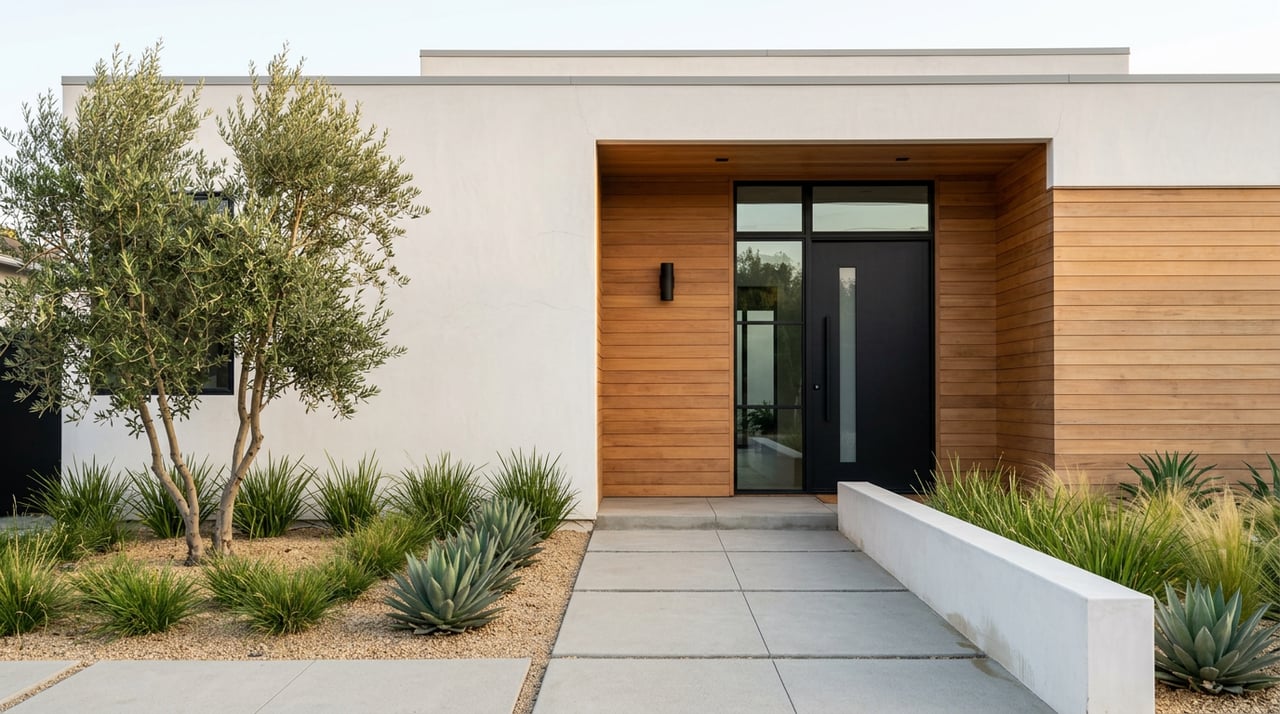
- Boost curb appeal. Fresh landscaping, a clean entry, and a presentable garage door make a strong first impression at modest cost. See cost vs. value context.
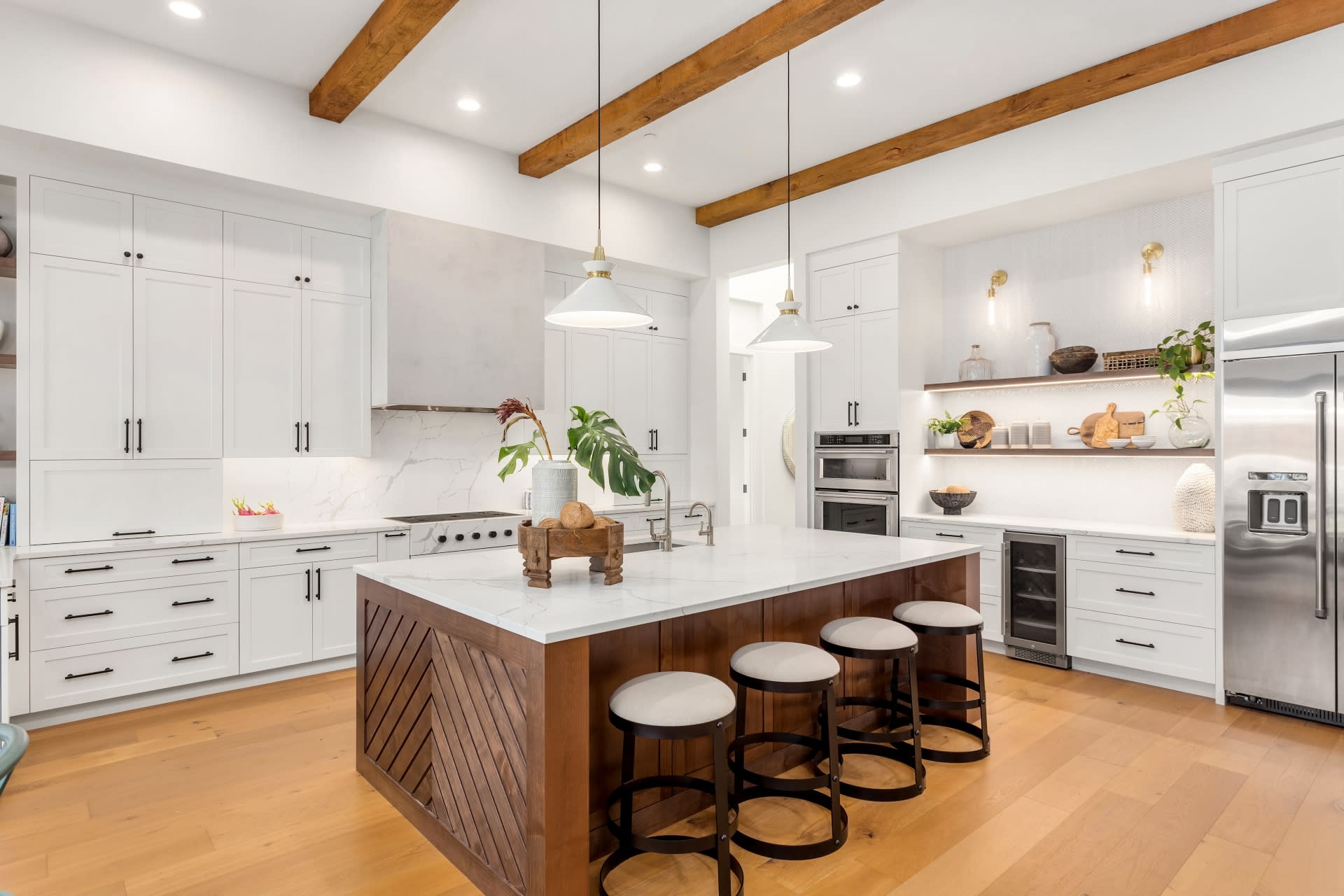
- Refresh the kitchen before you consider a full remodel. Refacing, paint, hardware, lighting, and counters often deliver better resale efficiency than gut renovations.
- Update bathrooms with midrange finishes. Aim for clean and neutral, not overly custom.
- Align finish levels with comps. Avoid major layout changes unless your immediate comps justify them.
Staging and media that sell in Culver City
A complete media package helps buyers picture themselves at home and supports premium pricing.
- Required media set: professional HDR photos with a great hero exterior, an interactive floor plan, and a 3D tour. Add twilight and drone photos when views, lot, or neighborhood context help tell the story.
- For occupied homes, declutter and neutralize before adding selective rental pieces. For vacant homes, physical staging usually performs best at higher price points, with virtual staging as a tactical alternative for smaller budgets. NAR’s latest report outlines where staging pays off. Review the NAR insights.
Pricing and launch strategy
- Price to the comp set, not the citywide median. A tight 30 to 90 day comparable analysis by micro-neighborhood will clarify your likely buyer pool and help you choose finishes and staging depth.
- Consider popular search thresholds. Pricing just under a round number can widen your buyer pool. Only use below-market pricing to drive multiple offers when your home is turnkey and comps show clear absorption.
- Time your launch for attention. Many sellers aim for a midweek live date followed by a strong first weekend of showings. Pair this with proactive agent outreach and a polished disclosure package to reduce friction during offer review.
Legal and disclosure essentials in California
Selling in California comes with specific disclosure and safety requirements. Preparing these items early keeps you in control.
- Transfer Disclosure Statement. Sellers of 1 to 4 unit residential property must deliver a TDS under California Civil Code. Late delivery can create a cancellation window for buyers. Read the TDS reference.
- Natural Hazard Disclosure. Expect flood, wildfire, and seismic zone notices as applicable. These are standard in California.
- Smoke and carbon monoxide detectors and water-heater strapping. Confirm compliance and document it in your packet. State reference for device requirements.
- Permit history and unpermitted work. Verify status with Culver City Planning & Development. Disclose known unpermitted work or pursue corrections before listing.
- Special situations. Tenant-occupied properties may trigger notice and local protections. Check current city programs and coordinate with your agent. Trust and estate sales can involve exemptions or different processes, so consult counsel as needed. For a plain-language trust-sale overview, see this California trust sale explainer.
Budget scenarios that work
Match your spend to your price band and goals.
- Minimal or DIY, about $0 to $2,000. Deep clean, declutter, paint touch-ups, quick landscaping, and professional photos. NAR’s staging research shows even light staging can help reduce time on market. See the NAR summary.
- Targeted, about $2,000 to $12,000. Stage priority rooms, refresh kitchen and baths with paint, hardware, and fixtures, and add a 3D tour and floor plan. Use comps to set finish levels and avoid over-improving.
- Full or luxury, over $12,000. Whole-home staging, premium photography and video, and selective remodels only if your immediate comps justify them. Keep documentation of upgrades and service records for buyers.
How we help you go to market with confidence
You should not have to manage dozens of vendors or guess which updates will pay off. Our team pairs boutique, white-glove service with data-driven strategy so you launch with a polished story and clear pricing. We coordinate high-impact prep, professional staging and media, and a comp-tight valuation that fits your neighborhood and buyer pool.
As Estates Directors with Compass, we offer hands-on guidance from first walk-through to closing, plus the reach and marketing systems your listing deserves. If you would like a clear plan for your home, request a complimentary valuation and a custom prep roadmap from Amy & Augustine Um.
FAQs
How long does it take to prepare and sell a Culver City home?
- Most sellers can complete smart prep in 6 to 8 weeks, then launch with two strong weekends of showings. Staging and complete disclosures help reduce days on market.
What upgrades give the best return before listing in Culver City?
- Focus on safety and function first, then curb appeal, paint, flooring continuity, and minor kitchen and bath refreshes. These items typically offer high visibility and efficient resale value. See cost vs. value context.
Do I need a pre-listing inspection in California?
- It is optional but often helpful. A pre-listing inspection surfaces issues you can fix on your timeline and supports cleaner negotiations. NAR research shows presentation quality reduces time on market. Review the NAR findings.
How should I handle unpermitted work before selling in Culver City?
- Verify permits with the city, then decide whether to correct or disclose. Many sellers either legalize work or provide clear documentation so buyers and lenders are comfortable. Start with Culver City Planning & Development.
What disclosures are required to sell a home in California?
- Expect the Transfer Disclosure Statement, Natural Hazard Disclosure, and safety compliance notes for smoke and carbon monoxide detectors, plus water-heater strapping. Read more about the TDS here: CA Civil Code reference.
Does staging really increase my sale price in Culver City?
- Many agents report staged homes receive higher offers and sell faster, especially when key rooms are staged. The latest NAR report summarizes these results for a broad sample of markets. Read the NAR staging summary.