What It’s Really Like Living In Santa Monica
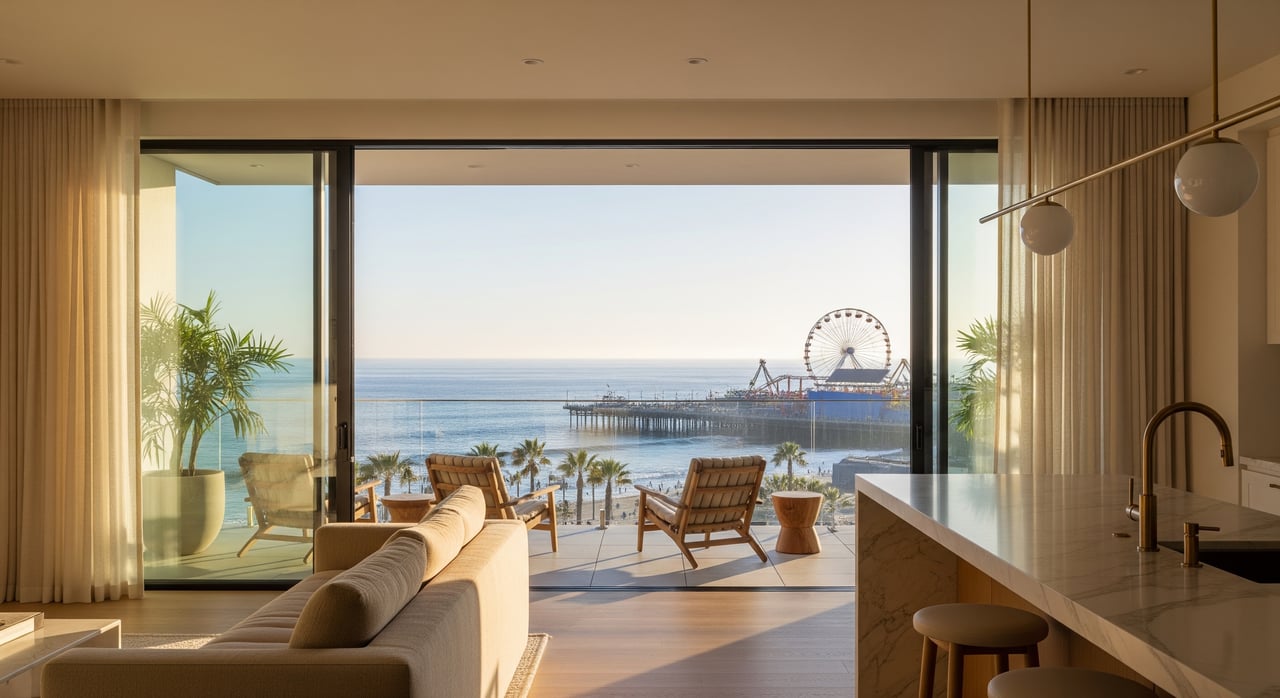
Thinking about making Santa Monica home? You picture morning walks by the ocean, bike rides on the path, and a coffee on Montana or Main Street. You also want the real story on daily life, commute options, housing types, and what changes from one neighborhood to the next. In this guide, you’ll get a practical look at the vibe, the trade-offs, and how to choose the right pocket for your lifestyle. Let’s dive in.
Santa Monica is a compact, walkable coastal city on LA’s Westside with a lively beach and visitor corridor, a busy downtown core, and smaller residential neighborhoods nearby. It draws long-time locals, creative and tech professionals, and a large base of renters and owners. The city functions as both a beach town and a regional destination for shopping, dining, and recreation.
You get a Mediterranean coastal climate with mild temperatures most of the year. Mornings can bring a marine layer, especially in late spring and summer. Rain is limited and mainly arrives in winter. For typical monthly patterns, you can review the NOAA/NCEI climate normals.
Cost of living is high compared with county and national averages. Housing, groceries, and services trend above inland neighborhoods in Los Angeles. Daily convenience is strong, but you will weigh higher costs against beach access and walkability.
For city programs, planning, and neighborhood resources, the official city site is your hub.
Micro-neighborhoods sit close together, but the pace and feel change block to block. Here is a high-level overview.
This is the busy commercial heart with shops, dining, cinemas, and events. Expect the highest pedestrian activity and more evening energy. Housing is a mix of condos and apartments, including newer buildings. Parking relies on structures and meters, and you may use rideshare or transit for quick trips.
Iconic views, hotels, the beach path, and Palisades Park define this stretch. Residences include luxury condos and a few mid-rise buildings. Daily life here centers on the coastline, but you will navigate tourist foot traffic and parking logistics, especially on weekends and holidays.
Montana Avenue offers a quieter shopping and dining street with boutiques, markets, and cafes. North of Wilshire is more residential in character with tree-lined blocks and a mix of single-family homes and low-rise condos. Many errands are walkable if you are near Montana or Wilshire.
South of downtown, Ocean Park blends older bungalows with newer infill and a lively café and restaurant scene along Main Street. The area feels relaxed and creative, with easy access to the beach and bike path. Street parking can be tight on popular blocks and during weekend brunch hours.
Southeast Santa Monica includes varied housing, from single-family homes to a larger share of small multi-family buildings. It sits near commercial corridors like Pico Boulevard. These pockets are farther from the beach but close to services, schools, and local eateries.
Around Bergamot, you will find galleries and creative office spaces. Expect a mix of light industrial-to-office conversions, with convenient access to major streets and the Metro E Line terminus downtown.
You will see a wide range of property types: Craftsman and Spanish-style homes, mid-century and contemporary rebuilds, boutique condo buildings, and larger downtown residences. Many lots are smaller than traditional suburban parcels, which can keep maintenance manageable and support a more walkable lifestyle.
Prices are above the LA median and vary with proximity to the ocean, building amenities, and neighborhood. Ocean-facing condos and north-of-Wilshire single-family homes sit at higher price bands. Condos and townhomes often have HOA fees that reflect building age, amenities, and reserves. For the latest pricing snapshots, timelines of sale, and inventory trends, review real-time market sources and recent closings, and plan for figures to shift with seasonality and overall demand.
If you are evaluating a condo or townhome, ask about:
If you are renting or investing, Santa Monica’s local rent control and tenant protections are important. Coverage varies by building age and characteristics, and there are specific rules for allowable increases and relocation in some cases. You can find details through the city’s rent control resources.
Coastal properties may warrant extra due diligence. Review FEMA flood information, local elevation, and the city’s coastal adaptation planning. The city publishes resiliency documents and updates on the official city site.
The Metro E Line terminates in downtown Santa Monica and connects you to Mid-City and downtown LA. It is a reliable option for some commutes and events, with travel times that depend on time of day and destination. Explore schedules and maps on Metro’s site.
Santa Monica’s Big Blue Bus network links neighborhoods to the beach, downtown, UCLA-adjacent areas, and Westside job centers. Routes cover most major corridors and can reduce car trips for daily errands. Check routes and real-time info at Big Blue Bus.
If you drive, you will use Lincoln Boulevard and I-10 for regional connections. Traffic can be heavy during weekday mornings and afternoons. Many blocks have Residential Preferential Parking zones, and metered spaces near the beach and downtown. Visitors should plan for garage rates and time limits.
Biking is popular for short hops and the beach path. The city supports a high bike and pedestrian mode share with lanes and cross-town routes, which makes errands and recreation easier without a car.
Santa Monica’s coastline is your backyard. You can walk or run at Palisades Park, take the stairs down to the sand, and hop onto the bike path that stretches to Venice and beyond. Neighborhood pocket parks offer play areas and green space for breaks during the day.
The Santa Monica Farmers Market is a regional staple with multiple weekly markets and a wide selection of produce and prepared foods. You will find everything from seasonal fruit to specialty items. Downtown and neighborhood corridors like Montana and Main Street layer in independent shops, cafes, and restaurants.
Cultural life includes galleries and creative offices around Bergamot, pop-up exhibits, and community events. The city invests in the public realm, which shows up in streetscape improvements, park upgrades, and coastal access projects you can track on the official city site.
Public schools are part of the Santa Monica–Malibu Unified School District, which includes Santa Monica High School and several K–8 campuses. School performance, programs, and boundaries can change, so you should confirm current details with the district. Get official information on enrollment, programs, and maps through SMMUSD.
There are also private and independent options in and around the city. Families typically review commute patterns, extracurriculars, and enrollment timelines as part of their decision-making.
You will find local clinics and urgent care options in Santa Monica, with major hospitals and specialty care across the broader Westside and central LA. For safety and community updates, you can review the Santa Monica Police Department resources and the Los Angeles Homeless Services Authority for regional context and programs.
Every Westside area offers a slightly different balance of space, access, and daily pace. Here are common comparisons people make when considering Santa Monica.
In Santa Monica itself, the main trade-offs look like this:
Use this quick checklist to focus your search:
On a typical weekday, you might grab a coffee on Montana, hop on a bike for errands, or take the E Line to meetings downtown. Evenings often mean a quick run along Palisades Park or dinner on Main Street. Weekends bring beach time, farmers market shopping, and friends visiting from across LA, which is when planning for parking and reservations pays off.
Santa Monica feels like a small city wrapped around a world-class beach. If you want a neighborhood where you can walk to fresh food, the ocean, and local shops, and you are comfortable with the pace of a destination city, it is hard to beat.
If you are weighing a move, you deserve local, hands-on guidance plus data-driven market insight. We help you compare micro-neighborhoods, evaluate buildings and HOA health, and plan for real-world commute and parking patterns. When you are ready, connect with Amy & Augustine Um for tailored advice and on-the-ground tours. Request a complimentary home valuation or consultation.
Amy & Augustine bring representation with unparalleled strength. They share a personal pledge to treat every person who walks through the door as a top priority, completing each transaction with integrity and professionalism.
Amy Um | CA DRE# 01961595
Estates Director | REALTOR®
(310) 804-5553
[email protected]
Augustine Um | CA DRE# 02146399
Estates Director | CPM© | CAPS© | NPCC | CCRM | REALTOR®
(213) 400-1111
Address
1010 Montana Ave.
Santa Monica, CA 90403