What To Know Before Buying A Century City High-Rise
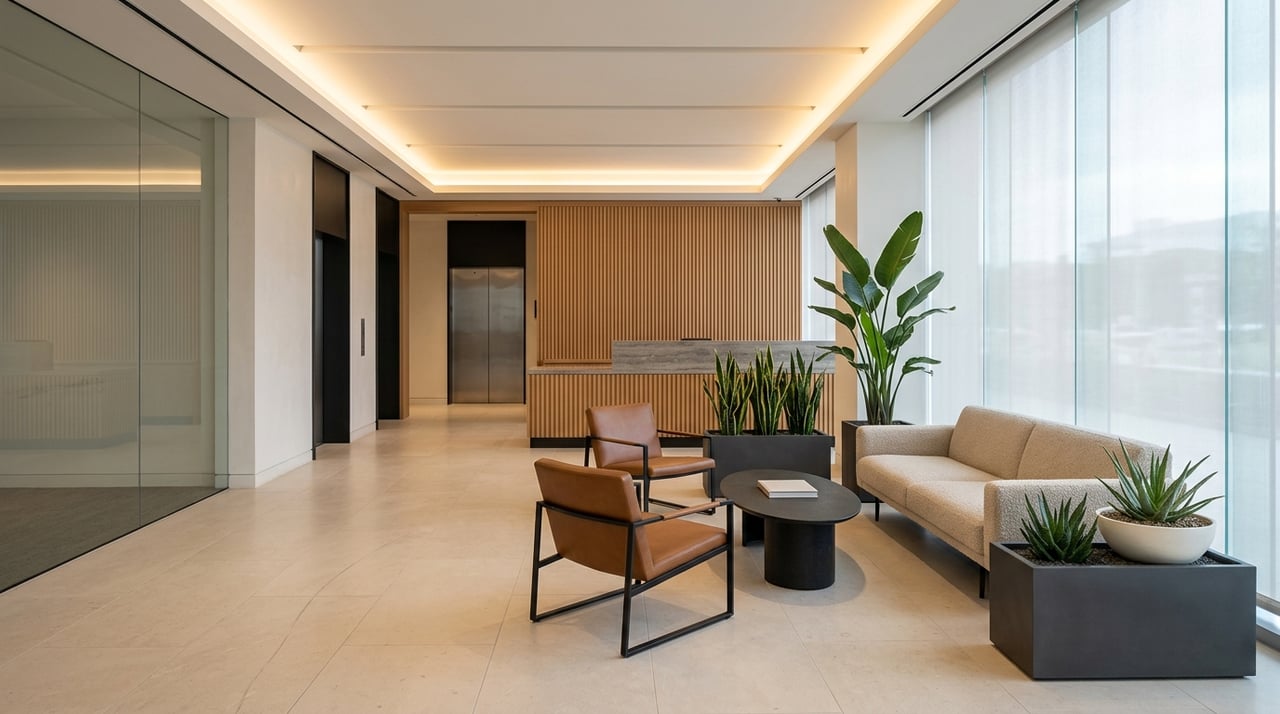
Buying a Century City high-rise can look simple on the surface. You find the right floor plan, the right view, and the right amenities, and it feels like the decision is made. But in this part of Los Angeles, a smart condo purchase is about much more than the unit itself. You also need to understand the HOA, the building’s maintenance history, parking rights, and the district’s development patterns. If you want to buy with more clarity and fewer surprises, this guide will help you focus on what matters most. Let’s dive in.
Century City is part of Los Angeles’ West Los Angeles planning area and is governed in part by the Century City North and South Specific Plans. These district-level plans address development rights, parking management, and pedestrian circulation.
That matters because when you buy in a high-rise here, you are not only choosing a residence. You are also buying into a building and a broader district framework that can shape convenience, access, and future surroundings.
In California, when you buy a condo, you automatically become a member of the homeowners association. The HOA’s CC&Rs and bylaws govern important issues like common-area responsibilities, assessments, insurance requirements, architectural controls, and enforcement.
In most cases, the board handles day-to-day operations, even if the building hires a management company. That means the quality of the HOA’s leadership and planning can have a direct effect on your ownership experience.
Monthly dues are one of the first numbers buyers notice, but the bigger question is what those dues are supporting. California requires HOAs to distribute budget materials before the end of the fiscal year, including a pro forma operating budget and reserve information.
Reserve planning is especially important in a tower, where elevators, mechanical systems, waterproofing, and shared infrastructure can be expensive to maintain. California law also requires a visual inspection of major common-area components at least every three years, annual review of the reserve study, and a funding plan for major components with less than 30 years of remaining useful life.
A well-funded reserve does not guarantee there will never be added costs. Still, it can give you a better picture of whether the association is planning ahead or pushing major work into the future.
Under California law, regular assessments generally cannot increase by more than 20 percent over the prior fiscal year without member approval. Special assessments also face limits and generally cannot exceed 5 percent of the budgeted gross expenses for that year without approval.
That is why it helps to ask very direct questions before you write an offer. Find out whether the building has a history of special assessments, insurance-related increases, or major capital projects that could affect your costs after closing.
California requires sellers to provide a detailed set of HOA-related disclosures. These can include governing documents, annual budget materials, assessment and delinquency information, unresolved violation notices, approved but not-yet-due assessment changes, rental restrictions, requested board minutes, and the most recent exterior elevated elements inspection report.
For buyers, this package is one of the most useful tools in the entire process. Reviewing it early can help you spot financial, maintenance, or use-related issues before you are too far down the path.
In a high-rise, shared systems often matter just as much as the finishes inside your unit. Under California law, unless the governing documents state otherwise, the association is generally responsible for repairing, replacing, and maintaining the common area.
The association is also responsible for restoring gas, heat, water, or electrical services that begin in the common area, even if the problem extends into a unit or an exclusive-use area. In practical terms, this makes building infrastructure a central part of both ownership costs and day-to-day reliability.
Balconies, decks, and similar exterior elevated elements deserve close review in any condo purchase. California requires condominium projects to have a licensed engineer or architect inspect a statistically significant sample of these elements every nine years, and the first inspection deadline was January 1, 2025.
If an inspector finds an immediate threat, the HOA must take preventive measures and send the report to code enforcement. For you as a buyer, this means balcony condition, waterproofing, and any repair backlog should be reviewed as carefully as the kitchen, baths, or flooring.
Not every space that feels private is fully under an owner’s control. California defines exclusive-use common area as common area reserved for one or more, but fewer than all, owners.
In many buildings, balconies and patios fall into this category. That means you should confirm who is responsible for maintenance, what repairs the HOA handles, and whether you need prior approval for changes or improvements.
Parking is a major due-diligence item in Century City. The Century City North Specific Plan includes parking management provisions, interim parking requirements, and a broader circulation framework that highlights how important access is within the district.
For a buyer, that means parking should never be treated as a throwaway detail. The exact legal setup and day-to-day function of your parking can affect convenience, resale, and future flexibility.
A parking space may be deeded, or it may be structured as exclusive-use common area. Those are not the same thing, and the distinction can matter.
You should confirm whether the space is assigned, tandem, stacker-based, valet-controlled, or part of an exclusive-use arrangement. It is also smart to ask about guest parking, because that can shape how practical the building feels once you are living there.
Electric vehicle charging can be a real differentiator in a luxury tower. California law generally voids HOA restrictions that unreasonably prohibit EV charging in a unit’s designated parking space, including a deeded space or exclusive-use common-area space.
Even so, there are still practical questions to answer. Ask whether the building’s electrical system can support charging, whether HOA approval is needed, and who would pay for installation or future system upgrades.
Views often drive emotional interest and pricing in Century City high-rises. But buyers should be careful not to assume that the current outlook will always remain unchanged.
The Century City North Specific Plan allows transfer of development rights within the plan area and requires recorded documents that run with the land. That does not mean nearby parcels will definitely redevelop, but it does mean future skyline changes should be part of your thinking.
A great view today can still be a great purchase, even if the area evolves over time. The key is to underwrite the possibility of future development instead of treating the current sightline as permanent.
When you evaluate a unit, think beyond the windows. Consider privacy, orientation, neighboring parcels, and how changes in surrounding buildings could affect the feel and value of the property later on.
Resale value in a Century City tower usually reflects more than square footage and finishes. Buyers often weigh dues, reserve strength, service levels, parking quality, floor height, and how well the building has handled maintenance and repairs.
This is where a building’s operating history becomes especially important. Strong reserve planning and responsible maintenance can support buyer confidence, while deferred projects or recurring issues can raise questions during resale.
The strongest purchase decisions usually come from looking at the whole package. That includes your unit, the association, the infrastructure, the rules, and the district around it.
If you approach the process with that wider lens, you are more likely to choose a home that works well for your lifestyle now and holds up well as a long-term asset.
Before you move forward on a Century City high-rise, keep these questions at the center of your due diligence:
Buying in a Century City high-rise can offer convenience, amenities, and strong long-term appeal. The best outcomes usually come from pairing the emotional side of the search with careful review of the HOA, the building systems, and the broader development context.
If you want experienced guidance as you compare luxury condos and high-rises across the Westside, Amy Um offers thoughtful, high-touch support to help you evaluate each opportunity with confidence.
Amy & Augustine bring representation with unparalleled strength. They share a personal pledge to treat every person who walks through the door as a top priority, completing each transaction with integrity and professionalism.
Amy Um | CA DRE# 01961595
Estates Director | REALTOR®
(310) 804-5553
[email protected]
Augustine Um | CA DRE# 02146399
Estates Director | CPM© | CAPS© | NPCC | CCRM | REALTOR®
(213) 400-1111
Address
1010 Montana Ave.
Santa Monica, CA 90403